
The Boiled One: Horror Game
Sushi StudiosAdventure
4.6508.00 Reviews
- Version
- 0.8.11
- Installs
- 1.00M
- Age Rating
- Everyone 10+
Screenshots
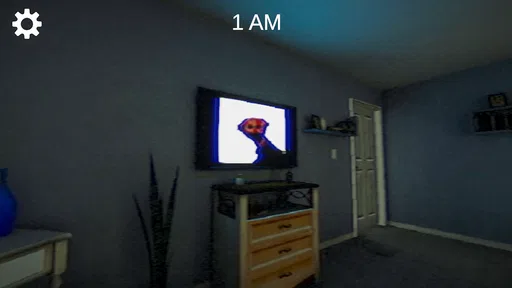
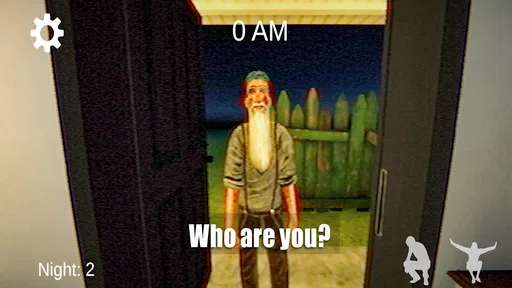
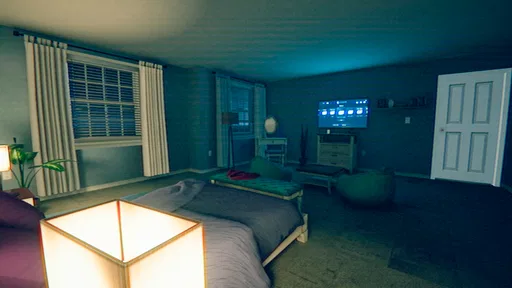
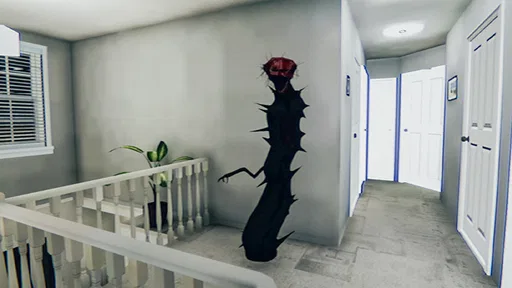
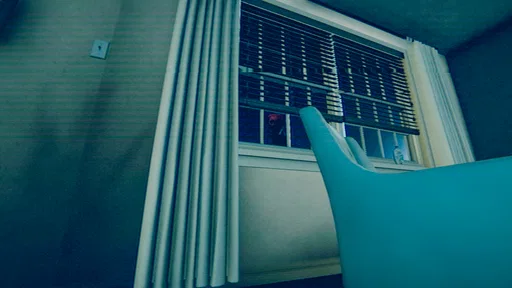
Our Review of The Boiled One: Horror Game
 Analysis by Appyee
I approached The Boiled One: Horror Game expecting a short, tense horror experience rather than a broad adventure with lots of systems to learn. That expectation matters here. Sushi Studios builds the game around surviving five nights while dealing with the threat of The Boiled One, so the appeal is concentrated: it is about atmosphere, attention, and the pressure of getting through another night without losing control.
After spending time with it, I think its strongest quality is how quickly it creates a nervous routine. I found myself checking what was happening, making a decision, and then wondering whether I had reacted soon enough. It is free to play, belongs to the adventure category, and has an Everyone 10+ content rating, although younger players who are sensitive to frightening imagery may still want to approach it carefully. The game has also attracted over a million installs and holds a 4.6 average from around twenty thousand ratings, which fits my impression that it has found a clear audience among mobile horror fans.
How the five-night structure shapes the experience
The five-night goal gives the game a useful sense of direction. I was never wondering what the overall objective was; the question was whether I could maintain focus long enough to reach the end. That makes each session easy to understand, especially when I only have a short break and want something with a definite challenge rather than an open-ended adventure.
The design works best when I treat each night as an exercise in controlled attention. Horror games often become less effective when they throw too many unrelated tasks at the player. Here, the central threat remains the reason to stay alert. The result is a compact experience that feels more like a tense test than a relaxed exploration game.
That focus also creates the first important trade-off. If you enjoy discovering large maps, collecting many types of equipment, or following a long story with several branches, this may feel narrow beside a fuller adventure title. I would recommend it more readily to someone who likes the pressure of a contained horror scenario than to someone looking for a large mobile world.
What speed feels like during ordinary play
In normal moments, the game feels built for quick decisions rather than slow sightseeing. I did not approach it as a game to leave running in the background. Its rhythm asks me to stay mentally present, and that makes perceived speed more important than a long list of content. When the action is moving smoothly, the tension comes from the threat itself instead of from waiting for the game to respond.
That distinction is useful on a phone. A horror game can lose much of its effect if every interaction feels delayed or if the player spends more time watching a loading state than watching the danger. The compact night-based format helps keep the experience pointed toward the next decision. I found it easier to start a session, concentrate, and stop after a meaningful attempt than with mobile adventures that bury progress under several menus.
Still, I would not call the game effortless. The pressure can make small mistakes feel larger, particularly when I am already anticipating the next scare. Some players will enjoy that friction because it supports the horror mood. Others may read it as repetition if they prefer a more forgiving adventure. The right expectation is not “fast” in the arcade sense, but responsive enough to support a tense survival routine.
Where heavy use can change the feel
The most demanding moments are the ones in which I am trying to watch the situation, remember what I have just done, and react without second-guessing myself. These scenes place more strain on the player’s attention than on any complicated collection of controls. I found that the game’s apparent intensity rises when I play several attempts close together, because I begin carrying mistakes from one run into the next.
That is why short breaks work surprisingly well. A realistic use case would be playing one or two nights during a commute break or before bed, then stopping before frustration turns the atmosphere into routine. The five-night target gives me a reason to return, but it does not force me to commit to a long uninterrupted session. For a mobile horror game, that is a practical strength.
Longer play sessions are less attractive if I am repeating an attempt after a failure. The fear can become less fresh, and the process may feel more like learning a pattern than experiencing a surprise. My advice is to treat failure as information, pause briefly, and return with a specific adjustment in mind. Repeating immediately while annoyed made the game feel slower and less fair than it did when I approached the next attempt calmly.
A useful habit is to separate observation from reaction. Instead of tapping at every suspicious moment, I found it better to take a second to identify what has actually changed and then act. That small discipline reduces panic and makes the challenge feel more deliberate. It is one of the game’s less obvious lessons: the horror is not only about being startled, but about whether I can preserve a clear routine when the game is trying to break it.
Stability and recovery after a bad attempt
Reliability matters especially in a game organized around survival attempts. If a session ends unexpectedly, the emotional cost is higher than in a casual puzzle because I may have invested attention in reaching a later point of the night. From my experience, I would judge the game primarily by how consistently it lets me return to the challenge and understand what happened, rather than by expecting it to behave like a large console production.
The current version is 0.8.11, which is worth noting for anyone who prefers mature, highly polished releases. A version number like this does not automatically tell me whether a particular device will behave perfectly, so I would keep expectations sensible. The game is clearly in active development territory, and mobile performance can vary with hardware, operating-system behavior, and how much else is running.
When I lose, the recovery loop is more important than the loss itself. I want to know that I can begin another attempt without a confusing setup process or a long detour. The game’s compact premise supports that kind of return: I understand why I am playing and what I am trying to survive. That clarity helps soften the frustration of failure.
My practical recommendation is to close demanding background apps before a serious session, keep the phone charged, and avoid judging the game from one unusually poor run. Those are ordinary mobile precautions, but they matter more here because horror depends on concentration. A notification, a sudden interruption, or a tired player can make a stable experience feel unreliable even when the game itself is not the problem.
Device expectations and everyday comfort
The listed minimum operating-system requirement is Android 7.0, so the game is not restricted to only the newest Android phones. That makes it approachable for people using older compatible devices, but compatibility should not be confused with identical performance across every model. Screen size, available memory, thermal behavior, and the age of the phone can all influence how comfortable a tense game feels.
On a smaller display, I would pay particular attention to whether visual details remain easy to read during a stressful moment. Horror relies on noticing changes, and a cramped screen can make me blame myself for missing something that was simply difficult to see. On an older phone, I would also avoid playing while several other apps are active, since keeping the session focused gives the device fewer competing tasks.
Resource demands are best considered in practical terms rather than guessed numbers. The game’s concentrated structure suggests a more manageable commitment than a huge open-world adventure, but that does not guarantee identical battery use or heat on every handset. If my phone already becomes warm during ordinary games, I would play in shorter sessions and remove a thick case if it noticeably traps heat.
There is also an audio and environment question. I found that horror works better when I can concentrate, but not everyone wants that level of immersion in public. On a noisy bus, the game may feel less effective because distractions reduce the tension. At home, a quieter setting can make the same sequence feel much more intense. I would not call it ideal for every social situation; it is better suited to a private break when I can give it my attention.
How it compares with familiar mobile horror choices
Compared with casual spooky games that rely on isolated jump scares, this one has a clearer survival objective. The five-night structure gives my actions a cumulative purpose, so I am not simply moving from one surprise to the next. That makes it a better choice for players who want a small challenge attached to the horror rather than a collection of disconnected frightening moments.
Compared with large adventure games, however, it is more focused and less expansive. I would choose a bigger alternative if I wanted exploration, extensive character development, or a long progression system. The Boiled One: Horror Game is more appealing when I want a contained premise that I can understand quickly and revisit without learning a large catalog of mechanics.
It also differs from competitive horror experiences. There is no need for me to coordinate with a team or depend on other players to create the tension. That is convenient when I want to play alone, but it also means the game cannot provide the unpredictable stories that emerge from multiplayer mistakes. Solo players will likely appreciate its directness; people who play horror mainly for social chaos may find it too controlled.
The most meaningful comparison is therefore about mood and commitment. This is a free adventure game for a player who wants a focused horror challenge, not a replacement for every kind of horror experience. I would pick it for a few tense attempts, while choosing a larger title when I have the time and patience for a more involved journey.
Small strategies that make the experience better
My first tip is to learn the shape of a night before trying to play perfectly. The opening attempt is useful for identifying where my attention tends to drift. Instead of treating an early failure as wasted time, I use it to notice which moments deserve a deliberate check. That turns the game from a reaction test into a process I can improve.
Second, I recommend avoiding frantic input. Horror encourages panic, but hurried taps can make me lose track of what I intended to do. I had better results when I made one clear action, watched for its consequence, and only then moved on. This is especially helpful for players who normally rely on speed in mobile games; here, calm timing can be more valuable than constant activity.
Third, do not measure progress only by reaching the next night. A failed attempt can still reveal a useful pattern in my own behavior. Maybe I check too quickly, ignore a visual change, or continue playing after my attention has faded. Recognizing that personal weakness is part of mastering the game, and it is a more reliable approach than hoping every run will succeed through luck.
Finally, use the five-night goal as a stopping point rather than a demand to finish immediately. If I am playing late and my concentration is slipping, continuing usually makes the experience feel unfair. Returning rested gives the atmosphere a better chance to work and makes the decisions easier to evaluate. That is a simple recovery strategy, but it improves both enjoyment and perceived responsiveness.
Who should play it, and who should skip it
I would recommend this game to someone who likes solo horror, short structured challenges, and the feeling of being tested by a single persistent threat. It is also a good fit for a player who wants a free mobile game that can be understood quickly without committing to a sprawling adventure. The strong average rating and broad install count suggest that the basic formula connects with many people, and I can see why: the objective is immediate and the mood is easy to grasp.
I would be more cautious recommending it to players who dislike repetition after failure. Surviving five nights sounds simple, but the tension depends on trying again when an attempt goes wrong. If repeating a sequence feels tedious rather than satisfying, the central loop may wear thin. I would also skip it if I want a gentle game for relaxing, because its purpose is to keep me alert rather than help me unwind.
Parents should consider the Everyone 10+ rating alongside the individual child’s sensitivity to scary material. The age label makes it more broadly accessible than adult horror, but it does not make the experience emotionally mild for every player. Someone who is easily unsettled may prefer playing during the day or with another person nearby.
Players on older Android phones can try it if their device meets the Android 7.0 requirement, but I would keep sessions practical and watch for heat, battery drain, or interruptions. If a phone struggles with games generally, a simpler horror title may be a better choice. The game’s concentrated design helps, but it cannot remove the differences between devices.
My performance verdict after repeated sessions
From a performance perspective, I see the game’s main advantage in its focused scope. It does not ask me to manage a huge adventure before I reach the reason I installed it. The five-night objective, solo horror setup, and direct threat make it easy to begin, understand, and revisit. In ordinary use, that gives the experience a brisker feel than many larger mobile adventures, even when the challenge itself deliberately slows me down.
The limitations are equally clear. The game depends heavily on sustained attention, so interruptions, fatigue, and repeated failed attempts can reduce its impact. Device behavior may also vary, and the current version means players who demand the finish of a long-established release should approach with some patience. I would not install it expecting unlimited variety or a deep open-world system.
For me, the best way to play is in short, focused sessions on a compatible phone with background distractions reduced. That setup lets the atmosphere do its work and makes the survival loop feel purposeful rather than repetitive. I would choose it over a larger alternative when I want a compact horror challenge, and choose something else when I want exploration, multiplayer unpredictability, or a lengthy story.
My final recommendation is positive, with the right expectations. Sushi Studios has made a free adventure game that understands the value of a clear goal and a concentrated mood. It is not trying to be every kind of mobile horror game, and that is part of its appeal. If the idea of surviving five increasingly tense nights sounds more exciting than wandering through a huge game world, this is an easy one to try. If you need a calm, highly varied, or technically demanding long-form adventure, I would look elsewhere.
Verdict
Strengths of The Boiled One: Horror Game
- Short sessions make it easy to play during quick breaks.
- Simple controls let you focus on the horror atmosphere.
- Unsettling sound effects add tension even with basic visuals.
- The mysterious story encourages you to look for hidden clues.
- Works well for players who enjoy internet-inspired horror themes.
Limitations of The Boiled One: Horror Game
- Limited gameplay variety may make repeat sessions feel predictable.
- Frequent jump scares can become repetitive for horror veterans.
- The dark presentation may make some scenes difficult to see.
- Not ideal for players seeking combat or complex puzzle mechanics.
- Performance may vary on older phones during intense scenes.
Other Releases by Sushi Studios
View All
Backrooms Descent: Horror Game
Adventure4.6

Backrooms Company Multiplayer
Adventure4.6

Boisvert Analog Horror Game
Adventure4.4
Similar Picks in This Category
View All
Roblox
Roblox Corporation4.2

Pokémon GO
Niantic, Inc.3.5

Ninja warrior: legend of adven
TOH Games4.6

Ninja Arashi
Black Panther4.6

Eyes - The Horror Game
Fearless Games sp. j.4.5

Critical Action:Gun Strike Ops
FPS Shooter & Action Game4.3
Frequently Asked Questions
What is The Boiled One: Horror Game about?
The Boiled One: Horror Game is a short horror experience inspired by the internet horror character known as The Boiled One. It focuses on atmosphere, disturbing imagery, unsettling sounds, and a tense narrative rather than traditional action. Players generally explore the situation, observe clues, and try to understand what is happening while dealing with sudden scares and psychological horror elements.
Is The Boiled One: Horror Game suitable for children?
This game is better suited to mature players and may not be appropriate for children or people who are sensitive to horror. It can include frightening visuals, disturbing faces, loud audio effects, threatening situations, and themes designed to create anxiety. Parents should check the store rating, screenshots, and device settings before allowing younger users to download or play it.
Does The Boiled One: Horror Game require an internet connection?
The answer may depend on the specific version available for your Android or iOS device. Many small horror games can be played offline after installation, but advertisements, updates, analytics, or certain online features may require a connection. It is recommended to launch the game once while connected, then test whether the main gameplay remains accessible without mobile data or Wi-Fi.
Is The Boiled One: Horror Game free to download?
The game may be offered as a free download, although the exact price and monetization can vary between platforms, regions, and versions. A free installation may include advertising, optional purchases, or other limitations. Before downloading, review the official store listing carefully and check the in-app purchase section so you understand whether additional payments are required for the complete experience.
What devices are needed to play The Boiled One: Horror Game smoothly?
The Boiled One: Horror Game is generally designed for modern mobile devices, but performance can vary depending on the phone or tablet, operating system, available storage, and graphics hardware. Keeping the system updated and closing background applications can help reduce interruptions. If the game uses intense visual effects or audio, older devices may experience slower loading, reduced frame rates, or compatibility problems.
Play our best games!


